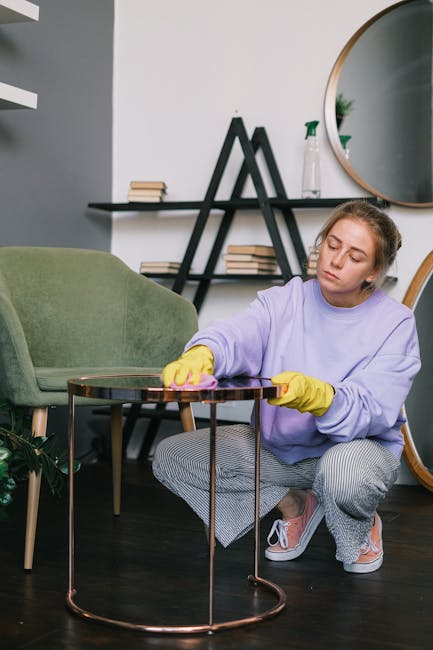
Upholstery cleaning near New Barnet station: a practical guide for homes, flats and busy local businesses
If you are looking for Upholstery cleaning near New Barnet station, you are probably dealing with one of those everyday problems that quietly gets worse over time: a sofa that has lost its colour, an armchair that holds onto smells, or a favourite dining chair marked by drink spills and well-loved use. It happens. And near a busy station area, upholstery often picks up extra grime from shoes, commuters, pets, dry winter air, and the simple fact that life is a bit hectic.
This guide explains what upholstery cleaning involves, how it works, what to expect from a professional service, and how to choose the right approach for your fabric and situation. It also covers practical pitfalls, methods, and the small details that make the difference between a decent clean and a proper reset.
Why upholstery cleaning near New Barnet station matters
Upholstery does a lot of invisible work. It absorbs dust, skin oils, crumbs, pet hair, moisture, and sometimes odours you only notice when the heating goes on. Around a station location like New Barnet, fabrics can pick up extra outdoor dirt because people come and go all day, bags are dropped on chairs, and homes tend to see more traffic than a quiet cul-de-sac would. Not dramatic. Just real life.
Leaving upholstery untreated can shorten the life of the fabric, flatten fibres, and make colours look tired long before the furniture is actually worn out. In some cases, the issue is not even visual. A sofa may look fine from across the room, but still feel sticky, smell stale, or trigger dust sensitivity. That is usually the point where cleaning becomes less about appearance and more about comfort.
It also matters for presentation. If you are preparing a flat for new tenants, freshening up an Airbnb-style let, or simply trying to make a living room feel a bit more peaceful, upholstery is often the first thing people notice. Funny how one cleaned sofa can make the whole room feel less cramped and more cared for.
Expert summary: upholstery cleaning is not just a cosmetic tidy-up. Done properly, it helps protect the fabric, reduce embedded dirt, and make a room feel cleaner in a way you can actually notice once you sit down.
How upholstery cleaning near New Barnet station works
Professional upholstery cleaning is usually a mix of inspection, fabric-safe treatment, and controlled moisture or low-moisture extraction. The exact method depends on the material, the construction of the furniture, and the type of staining involved. A good cleaner does not start with a machine straight away. They start by checking labels, fibre type, seams, and any delicate trims or buttons.
For many items, the process begins with dry soil removal. That means vacuuming and agitation to lift dust and loose debris from the surface and deeper folds. Then comes spotting and pre-treatment. If there are visible marks, the cleaner may target them with suitable stain removal methods rather than flooding the whole item and hoping for the best. That approach is rarely wise, to be fair.
Depending on the fabric, cleaning may use hot water extraction, low-moisture methods, or specialist hand cleaning. Hot water extraction is often used on compatible synthetic fabrics because it can rinse out soil effectively. Delicate fabrics, however, may need a gentler touch. Velvet, wool blends, linen mixes, and antique pieces can all react differently, so technique matters more than buzzwords.
Drying is the final stage and, oddly enough, one of the most important. Even a well-cleaned sofa can feel disappointing if it remains damp for too long. Good airflow, open windows where practical, and sensible room temperature all help. You do not want that slightly wet-fabric smell hanging about into the evening.
What a proper professional visit usually includes
- Fabric identification and suitability check
- Testing cleaning products on a hidden area
- Vacuuming and pre-inspection
- Stain and spot treatment
- Agreed cleaning method matched to the upholstery
- Rinse or neutralisation where relevant
- Final grooming and drying guidance
Key benefits and practical advantages
The obvious benefit is a cleaner-looking sofa or chair. But the best results go beyond that. Upholstery cleaning can restore the feel of the fabric, reduce dullness, and remove the little build-up that makes furnishings look older than they are. A room can feel brighter without you changing anything else. That is often the surprise.
There are practical advantages too. Regular cleaning may help reduce allergens trapped in fibres, which can be helpful in homes where dust builds up quickly. It can also prevent spills from becoming permanent stains. The faster a mark is addressed, the better the chance of removing it cleanly. Once a stain has set deep into the padding, things become more complicated. Not impossible, just trickier.
If you are comparing options, it is useful to think about longevity. Replacing a decent sofa is expensive. Professional cleaning is usually the more sensible first step, especially if the frame and fabric are structurally sound. And if your furniture is in a communal or high-use setting, such as a rented flat or an office lounge, maintenance cleaning can help you avoid the cost and hassle of early replacement.
- Improves appearance without replacing furniture
- Helps remove odours and embedded grime
- Supports a cleaner indoor environment
- Can extend the usable life of upholstery
- Improves comfort for guests, tenants or staff
If you are planning broader home care, you may also want to look at related services such as sofa cleaning, stain removal, or deep cleaning when a room needs a more complete refresh.
Who this is for and when it makes sense
Truth be told, most people wait a little too long before cleaning upholstery. It is easy to ignore because fabric furniture does not shout for attention the way a stained carpet does. But there are a few clear signs that it is time.
This service makes sense if you have visible marks, lingering smells, pet hair that keeps coming back no matter how much you vacuum, or fabric that looks flat and dull in the daylight. It is also a smart move before moving out, welcoming guests, or getting a property ready for new occupants. A clean armchair beside a freshly made bed can change the whole impression of a room. Small details, big effect.
It is useful for:
- Homeowners wanting a fresher living space
- Tenants preparing for inspections or handovers
- Landlords refreshing furnished rentals
- Office managers maintaining reception or breakout seating
- Hosts who need presentation-ready furniture
- Households with pets, children, or heavy everyday use
If your furniture is part of a wider household refresh, pairing upholstery care with domestic cleaning or house cleaning can be a sensible way to tackle the whole space in one go.
Step-by-step guidance
Here is the simple version of how to approach upholstery cleaning without making it harder than it needs to be.
- Check the fabric type or care label. Some items can be wet cleaned, others need dry or specialist treatment. If the label is missing, a cautious test is essential.
- Inspect the item in daylight. Look for faded patches, rings around spills, pet marks, loose stitching, and areas where the fabric has worn thin.
- Vacuum thoroughly. Get into seams, creases, between cushions, and along the back edges. This is boring work, but it changes the result.
- Pre-treat spots. Stains often need different treatment depending on whether they are food, drink, oil, makeup, or pet-related. One solution does not fit every mark.
- Choose the cleaning method. Use the gentlest effective method for the fabric. More water is not automatically better.
- Clean section by section. Even coverage matters. Rushing a whole sofa in one pass often leaves tide marks or uneven drying.
- Rinse or neutralise if needed. Product residue can attract new dirt, which is frustrating and avoidable.
- Dry with airflow. Open windows where appropriate, keep the room ventilated, and avoid sitting on the item too early. Tempting, yes. Wise, no.
If you are tackling other fabric furnishings at the same time, the same careful approach applies to rug cleaning and curtain cleaning, both of which often respond better to fabric-specific treatment than heavy-handed cleaning.
Expert tips for better results
There are a few small habits that make a noticeable difference. None of them are flashy, but they matter.
First, deal with spills quickly. Blot, do not scrub. Scrubbing pushes the liquid deeper and roughs up the fibres. A clean white cloth, used gently, is usually better than any dramatic attack with a sponge. The excitement level is low, the result is higher.
Second, know your fabric. Synthetic upholstery is often more forgiving than natural fibres, but even within the same sofa there may be different materials on the main body, piping, or cushions. A careful cleaner checks all of it, not just the obvious panel at the front.
Third, think about usage patterns. If one seat cushion gets more wear because everyone sits in the same spot, that area may need extra attention. Likewise, arms and headrests often carry body oils and need pre-treatment.
Fourth, improve drying conditions. A dry room with good circulation helps reduce the chance of lingering dampness. If the weather is grey and heavy outside, as it often is in north London, ventilation becomes even more important.
Fifth, make cleaning part of regular care. Once or twice a year is often enough for many households, but busy homes may need more frequent attention. Little-and-often can be easier than waiting until the sofa looks frankly tired.
One of the best things you can do is stop treating upholstery as "self-cleaning by hope." It is not. It really isn't.
Common mistakes to avoid
Most upholstery problems after cleaning come from avoidable errors rather than the furniture itself. The first common mistake is using too much water. Oversaturation can leave marks, slow drying, and in some cases affect the internal padding. If moisture gets trapped, that stale smell can appear later, which is annoying after you thought the job was done.
Another mistake is using a general-purpose product without checking whether it is safe for the fabric. Strong detergents, bleach-based solutions, or improvised cleaning mixes can change the colour or texture of the upholstery. Not every internet trick deserves your confidence.
People also tend to ignore hidden areas such as the back of the sofa, underneath cushions, or around headrests. Then the furniture looks better from the front but still feels dusty and uneven overall. A proper clean should be balanced, not cosmetic-only.
Finally, do not assume every stain can be removed completely. Some marks are permanent or partially set, especially if heat, time, or previous treatment has altered the fabric. A trustworthy cleaner will say so clearly rather than promise magic. That honesty matters.
- Do not scrub aggressively
- Do not oversaturate the fabric
- Do not use untested chemicals
- Do not ignore cushions and seams
- Do not sit on the item before it is ready
Tools, resources and recommendations
You do not need a van full of gear to understand what makes good upholstery care. The essentials are straightforward: a strong vacuum with upholstery attachments, suitable spot-treatment products, soft brushes, absorbent cloths, and the right extraction or low-moisture system for the fabric. The real skill lies in using them in the right order.
For homeowners, a handheld vacuum and a soft brush can be useful for day-to-day maintenance between professional visits. Keep a simple stain kit with clean microfibre cloths and a fabric-safe spot treatment, but always test anything new in an inconspicuous place. That tiny patch on the back edge can save you a lot of regret.
For landlords, property managers, or businesses, it helps to keep a maintenance schedule. Furniture in reception areas, meeting rooms, or communal lounges tends to wear unevenly. Combining upholstery care with commercial cleaning or office cleaning can keep the whole setting looking consistent rather than patchy.
It can also be worth pairing upholstery work with nearby fabric or floor care services when the wider room needs attention, such as carpet cleaning, mattress cleaning, or pet stain odour removal if pets are part of the picture.
Law, compliance, standards and best practice
For most household customers, upholstery cleaning is mainly about safety, fabric care, and good service rather than complex regulation. Still, there are sensible standards worth following. A professional cleaner should use products and methods appropriate for the material, take care around electrical items, and follow reasonable health and safety practices during the job.
In a commercial or shared building setting, there may also be building rules, tenant responsibilities, or site access requirements to consider. For example, a reception area in a managed office may need work scheduled outside peak hours, and a rented property may need the cleaner to avoid blocking fire routes or leaving trip hazards. Common sense, yes, but it should be stated.
It is also best practice for a provider to be clear about insurance, service scope, and what happens if a stain does not lift fully. For peace of mind, you may want to review pages such as insurance and safety, health and safety policy, terms and conditions, and privacy policy before booking any service.
In the UK, the broad principle is simple: cleaning should be done carefully, honestly, and without creating avoidable risk. No drama, no shortcuts, no mystery liquids from a random bottle in the cupboard.
Options, methods, or comparison table
Different upholstery-cleaning methods suit different situations. The best choice depends on fabric type, how dirty the item is, and how quickly it needs to be usable again.
| Method | Best for | Pros | Watch-outs |
|---|---|---|---|
| Hot water extraction | Synthetic fabrics, general soil, deeper refresh | Strong soil removal, thorough finish | Longer drying time, not ideal for delicate fabrics |
| Low-moisture cleaning | Light-to-moderate soil, quicker turnaround | Faster drying, less water use | May be less effective on deeply embedded stains |
| Hand cleaning / spot treatment | Delicate fabrics, trims, small isolated marks | Controlled, fabric-sensitive | Requires skill and careful testing |
| Dry or specialised treatment | Fragile or non-wet-cleanable items | Safer for certain materials | Not suitable for every stain or every sofa |
If you are unsure, the safest route is usually a method chosen after inspection rather than one advertised as universally best. That is where experience pays off. One size fits all rarely works with upholstery.
Case study or real-world example
A typical local example: a two-seater sofa in a flat a short walk from New Barnet station had a tired look, one tea ring on a seat cushion, and a faint pet smell from years of use. At first glance, the owner thought the whole sofa needed replacing. It did not.
After inspection, the fabric was confirmed as compatible with a low-moisture process, and the cleaner treated the tea stain separately before working across the full surface. The main change was not dramatic from a marketing point of view. It was better than that. The colour came back evenly, the odour dropped away, and the room felt fresher without anyone having to rearrange the furniture. A small job, but one that changed how the room felt every evening after work.
The useful lesson here is simple: many pieces of upholstery look worse than they are. With the right method, they can often be restored to a very respectable standard. Not brand new. But properly looked after. And that is enough for most people.
Practical checklist
Use this checklist before booking or carrying out upholstery cleaning.
- Check whether the furniture has a care label or fabric instructions
- Identify the main problem: stains, odours, general dullness, pet hair, or all of the above
- Decide whether one item or the whole room needs attention
- Test any cleaning product on a hidden area first
- Make sure the room has enough ventilation for drying
- Move nearby items away from the furniture before cleaning starts
- Ask whether the method suits delicate or mixed fabrics
- Clarify expected drying time before the work begins
- Check insurance, safety and service terms if hiring a professional
- Plan not to use the item immediately after cleaning
If your property needs a broader reset, it can help to bundle services such as end of tenancy cleaning, move-in cleaning, or move-out cleaning so the whole place feels sorted rather than half-done.
Conclusion
Choosing Upholstery cleaning near New Barnet station is really about restoring comfort, improving appearance, and protecting furniture you already own. The best results come from careful fabric matching, sensible stain treatment, and realistic expectations. A good clean should leave upholstery looking brighter, feeling fresher, and drying properly without fuss.
Whether you are dealing with family wear and tear, pet mess, rented accommodation, or a sofa that has simply had a busy life, the right approach can make a bigger difference than many people expect. And honestly, once the room feels fresh again, you notice it every time you walk in. That quiet little lift is worth it.
Get a free quote today and see how much you can save.
If you want dependable service information before you go further, you can also review about us, pricing and quotes, or contact us for the next sensible step.
Frequently Asked Questions
How often should upholstery be professionally cleaned?
For many homes, once or twice a year is a sensible rhythm. Busy households, homes with pets, or high-use furniture may need more frequent cleaning. If the fabric looks dull or smells stale before then, go by the condition rather than the calendar.
Can all upholstery fabrics be wet cleaned?
No. Some fabrics handle wet cleaning well, while others need a gentler or specialist method. Velvet, wool blends, delicate trims, and some antique fabrics can be more sensitive, so inspection and testing are essential.
Will upholstery cleaning remove every stain?
Not always. Fresh spills often respond better than old, heat-set, or previously treated stains. A trustworthy cleaner should explain what is likely to lift fully and what may only improve rather than disappear completely.
How long does upholstery take to dry?
Drying time depends on the fabric, the method used, airflow, and room temperature. Low-moisture methods dry faster, while deeper extraction methods may need longer. Good ventilation helps more than people think.
Is upholstery cleaning worth it for an older sofa?
Often, yes. If the frame is sound and the fabric is still in decent condition, cleaning can be a more practical option than replacing the item. It is especially useful when the sofa is structurally fine but looks tired.
Can pet smells really be removed from upholstery?
Pet odour can often be reduced significantly, especially when treated with the right method early on. If the smell has soaked into cushions or padding, the process may be more involved. The earlier it is addressed, the better.
What should I do before the cleaner arrives?
Clear items from the furniture, move fragile objects nearby, and ensure there is room to work around the piece. If you have noticed a specific stain or area of concern, point it out at the start so it can be treated properly.
Is upholstery cleaning safe in a flat or apartment?
Yes, provided the method is suitable and drying is managed carefully. In smaller properties, ventilation matters more because moisture can linger. It is also helpful to avoid blocking walkways or shared areas during the work.
How does upholstery cleaning differ from sofa cleaning?
Upholstery cleaning is the broader term and covers chairs, sofas, stools, benches, and other fabric-covered furniture. Sofa cleaning is one part of that wider service. The same fabric principles apply, though the item shape changes the process a bit.
What are the signs I need professional cleaning rather than DIY?
If a stain is spreading, an odour keeps returning, the fabric is delicate, or the item has not been cleaned in years, professional treatment is usually the safer choice. DIY is fine for light upkeep, but not every problem responds well to trial and error.
Can upholstery cleaning help with allergies?
It can help reduce dust, dander, and debris trapped in the fabric, which may make a room feel fresher. It is not a medical treatment, of course, but regular cleaning can support a cleaner indoor environment.
What nearby services are useful to combine with upholstery cleaning?
People often pair upholstery work with carpet care, rug cleaning, mattress cleaning, or broader domestic and deep cleaning. That makes sense if the room has several soft furnishings that all need attention at once.
A clean sofa is never just a sofa. It is the place you slump after a long day, the seat guests end up choosing first, the bit of the room that quietly sets the tone. Take care of that, and the whole place feels better. Simple as that.