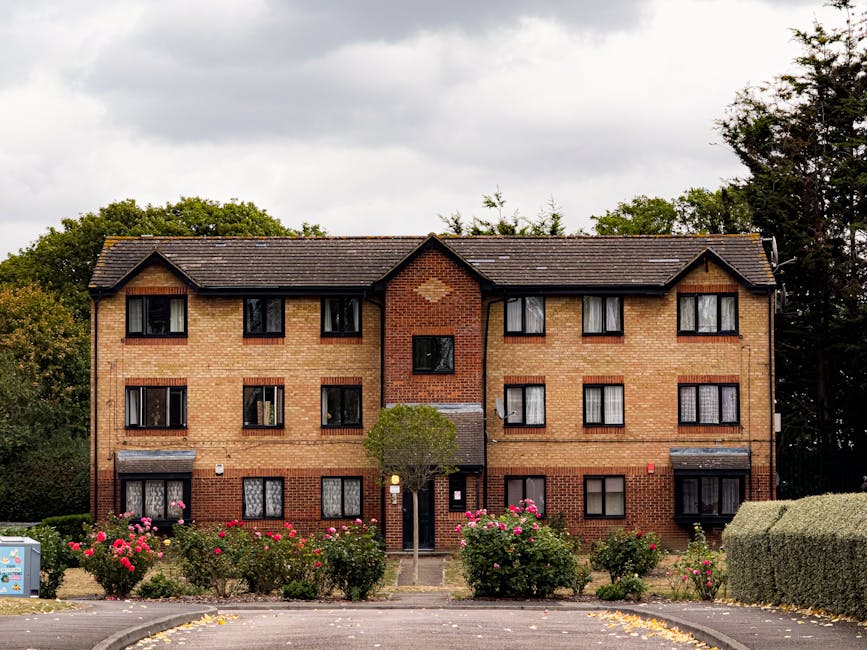
End of tenancy cleaning for flats near Barnet Hospital
If you are moving out of a flat near Barnet Hospital, end of tenancy cleaning can feel like one more job on an already packed list. Boxes everywhere, keys to hand back, a last-minute patch of dust on the skirting board, and maybe a fridge that somehow got a bit too lively by the end. Truth be told, this is exactly when a proper end of tenancy clean matters most.
In a busy part of Barnet, flats near the hospital often turn over quickly. That means tenants, landlords, letting agents, and cleaners all need the same thing: a clear, thorough clean that leaves the property presentable and ready for inspection. This guide explains what end of tenancy cleaning for flats near Barnet Hospital involves, what to prioritise, where people usually go wrong, and how to make the whole process less stressful.
We will also cover practical cleaning standards, helpful service comparisons, and a realistic step-by-step plan you can follow without losing your mind halfway through. And yes, there is a checklist too.
Why end of tenancy cleaning for flats near Barnet Hospital Matters
End of tenancy cleaning is not just a "nice to have" at the end of a tenancy. For flats near Barnet Hospital, it often plays a direct role in how smoothly the handover goes. The property needs to look clean, smell fresh, and feel move-in ready. That sounds simple, but in practice it usually means far more than a quick vacuum and a wipe of the kitchen sides.
Let's face it: most tenants clean while they are still living there, not after everything has been removed. Once furniture comes out, hidden dust, greasy marks, soap residue, crumbs behind appliances, and scuffs around doors suddenly become obvious. A proper end of tenancy clean deals with all of that in a structured way.
There is also the local factor. Flats near a hospital can be occupied by busy professionals, short-stay tenants, relocations, and people working irregular shifts. That can mean less time to clean and more pressure to leave quickly. If you are juggling handover dates, hospital work schedules, or a tight move-out window, a professional-grade clean saves a lot of last-minute panic.
For landlords and letting agents, the main concern is consistency. One tenant may leave a flat spotless; another may leave limescale in the bathroom, marks on walls, and a kitchen extractor that looks like it has had a tough year. A reliable end of tenancy clean helps reset the property to a consistent standard. It is one of those jobs that seems invisible when done well, which is usually a sign it was worth doing properly.
If you want a broader deep clean before or after moving, it can also help to look at deep cleaning services for areas that need extra attention beyond a standard tenancy handover.
How end of tenancy cleaning for flats near Barnet Hospital Works
The process is usually straightforward, but the quality comes from the detail. A proper tenancy clean follows a room-by-room method and focuses on the places that are most often checked during inspections: kitchen, bathroom, floors, appliances, fixtures, fittings, and high-touch surfaces.
In a flat, this usually means working from top to bottom and clean to dirty. Dusting high ledges before mopping floors matters. Cleaning the oven before polishing the cabinet fronts matters. Small things, yes, but they add up fast.
A typical end of tenancy clean will include:
- Dusting and wiping all reachable surfaces
- Cleaning inside and outside kitchen cupboards
- Degreasing the oven, hob, and extractor area
- Scrubbing sinks, taps, tiles, and bathroom fittings
- Vacuuming and mopping floors thoroughly
- Removing marks from switches, handles, and skirting boards
- Cleaning internal windows where safe and accessible
- Refreshing carpets, upholstery, or soft furnishings where needed
If the flat has carpets, a targeted carpet clean can make a big difference. For heavily used areas, steam carpet cleaning is often a sensible add-on, especially where foot traffic has left the pile looking tired.
In many cases, the best results come from combining a tenancy clean with specific add-ons rather than trying to force one service to do everything. For example, an oven that has seen weeks of heavy use may need specialist attention, and stubborn sofa marks may need sofa cleaning or upholstery cleaning. That is normal. It is not a failure; it is just how homes work.
Key Benefits and Practical Advantages
The obvious benefit is a better chance of a smooth checkout and a deposit return. But the practical advantages go further than that.
1. Less back-and-forth at the end of the tenancy.
When a flat is cleaned to a good standard, there is less room for disputes about dust, grime, or missed spots. That matters whether you are a tenant trying to move on quickly or a landlord preparing for the next person.
2. Faster re-letting.
A clean flat photographs better, smells fresher, and creates a far better first impression. That is true for every property, but especially for compact flats where a tiny kitchen or bathroom can look messy very quickly.
3. Better presentation in high-use areas.
Near Barnet Hospital, some flats are used intensively because residents are out all day or working varied shifts. Grease around cooking areas, bathroom limescale, and dust build-up can become more noticeable. A thorough reset helps the whole space feel calmer.
4. Reduced stress on moving day.
Moving is noisy, tiring, and usually slightly chaotic. If you have ever tried cleaning behind a fridge while someone is asking where the kettle went, you know the feeling. Having the clean handled properly removes a huge chunk of stress.
5. Better hygiene and comfort.
Some flats collect odours more quickly than houses, especially smaller ones with less airflow. A proper clean, combined with window cleaning and waste removal where needed, leaves the property noticeably fresher.
You may also want to pair the clean with window cleaning if streaked glass is affecting the final appearance, or oven cleaning if the kitchen needs a deeper reset.
Expert summary: The best end of tenancy results come from treating the flat as an inspection-ready space, not just a lived-in home. Focus on the spots people actually notice: kitchen grease, bathroom residue, floors, glass, and edges where dust quietly hides.
Who This Is For and When It Makes Sense
This service is useful for a wide mix of people, and not just tenants on their way out. In fact, there are a few different scenarios where it makes perfect sense.
Tenants leaving a rented flat. If you want to leave on good terms and reduce the chance of deductions or complaints, a proper end of tenancy clean is one of the safest moves you can make.
Landlords between occupiers. A fresh, professional clean helps a property look cared for. It also helps identify issues that were hidden under everyday clutter, such as stains, wear, or water marks.
Letting agents managing turnover. When there is limited time between tenancies, a clear, repeatable clean makes the process more predictable. No one wants to discover on viewings day that the hob still has last month's dinner on it.
Hospital staff, contractors, and short-stay renters. Flats near Barnet Hospital can see lots of movement. If you are on an irregular rota or moving quickly for work, outsourcing the final clean can be the difference between a manageable move and a borderline meltdown.
People combining a move-out with a fresh start. Sometimes tenants do not just want to "leave clean"; they want to leave properly, with carpets refreshed, appliances sorted, and the property ready for someone else. If that sounds like you, a broader move-out cleaning service may be a better fit than a minimal approach.
It also makes sense if the flat has pet traffic, food smells, or stubborn marks. In those cases, specialist treatments such as pet stain odour removal or stain removal can save the day. Honestly, some smells seem to have a lease of their own.
Step-by-Step Guidance
If you are tackling the clean yourself, or just want to understand what a professional team should be doing, use this sequence. It keeps the job logical and stops you cleaning the same area twice. Which, to be fair, happens more than anyone likes to admit.
- Remove all belongings first. Empty cupboards, fridges, drawers, wardrobes, and storage spaces before you start cleaning. A half-empty flat is much harder to clean properly.
- Assess problem areas. Look for grease, scale, mould spots, stains, wall marks, and carpet wear. Make a quick list before you begin.
- Start high and work down. Dust light fittings, tops of cupboards, picture rails, and shelves before touching floors.
- Clean the kitchen thoroughly. Degrease surfaces, clean cupboard fronts, wipe inside cabinets, and focus on appliances. This room usually takes the longest.
- Deep-clean the bathroom. Scrub limescale, polish taps, clean grout where possible, and make sure the toilet, shower screen, and sink are properly sanitised.
- Tackle floors and skirting boards. Vacuum first, then mop hard floors or clean carpets as needed. Skirting boards catch more dirt than people expect.
- Refresh soft furnishings if included. Curtains, sofas, rugs, and mattresses can hold odours and dust. Use the correct cleaning method for each item, not a one-size-fits-all approach.
- Finish with glass and touchpoints. Wipe handles, switches, window ledges, and visible marks on doors and frames.
- Do a slow final walkthrough. Use daylight if possible. It is much easier to spot smears and missed dust when natural light is coming in, especially around late morning.
For certain flats, it makes sense to combine tenancy cleaning with house cleaning style detail or a one-off clean for properties that need extra attention after a long occupancy. The label matters less than the outcome.
Expert Tips for Better Results
A few small choices can make a big difference. Here is where experience saves you time.
Check the inventory against the condition of the flat. If the inventory mentions a clean oven, polished bathroom, or stain-free carpets, make sure those areas are addressed specifically. Don't just assume "general clean" will cover it.
Clean the oven earlier than you think. Oven residue often needs soaking or dwell time. If you leave it until the last hour, you will end up scrubbing while everything else is already packed.
Use the right products for the right surfaces. A strong product on the wrong finish can leave streaks, clouding, or dull patches. In a small flat, that kind of mistake shows up quickly.
Don't ignore doors, frames, and edges. These are the places inspectors glance at without really announcing it. Tiny marks there can make a clean room look unfinished.
Give carpets and fabric items time to dry. If you are booking carpet or upholstery work, allow enough drying time before handover. Damp patches on moving day are awkward. Nobody wants that faint "wet socks and detergent" smell lingering.
Ask for a focused clean if the flat is unusually compact. In smaller flats, the kitchen and bathroom often take proportionally more time than the living room. One overlooked shelf can stand out like a sore thumb.
If the flat has had renovations or last-minute repairs, an after builders cleaning approach may be more appropriate because fine dust gets into places a standard clean might miss.
Common Mistakes to Avoid
There are a few errors that come up again and again. Most are avoidable, which is the annoying part.
- Leaving the clean until the final moving hour. You will always underestimate how long things take. Always.
- Cleaning around furniture instead of after removal. Hidden dust and dirt are a real issue in flats.
- Forgetting appliances. The fridge, freezer, oven, and extractor hood are common inspection points.
- Using too much water on carpets or wooden floors. Over-wetting can create new problems, including smells and warped finishes.
- Not dealing with marks on walls or doors. Light scuffs and fingerprints are often easy to fix but easy to miss.
- Assuming the bathroom only needs a surface wipe. Limescale and soap residue tend to build up in corners, around taps, and on shower screens.
- Ignoring communal spaces. If the flat is in a shared building, the route out can matter too, so a tidy exit through hallways and entrances helps create a better overall impression. In some cases, communal area cleaning is relevant for shared hallways and building access zones.
Another easy-to-miss issue is odour. A room can look clean and still smell stale if carpets, upholstery, or bedding have not been handled properly. That is why a complete clean often includes items like a mattress or rug. Small thing, big impact.
Tools, Resources and Recommendations
You do not need a van full of equipment to clean a flat properly, but you do need the right basics. A few reliable tools make the work faster and safer.
- Microfibre cloths for dusting and polishing
- Non-scratch pads for sinks, hobs, and bathroom fittings
- Vacuum cleaner with crevice tool
- Mop and bucket for hard floors
- Degreaser for kitchen surfaces
- Limescale remover for taps, tiles, and shower screens
- Glass cleaner for windows and mirrors
- Protective gloves
- Bin liners and sorting bags for final clear-out
If you are deciding what level of service you actually need, it helps to think in layers. A simple tenancy clean may be enough for a tidy flat. A flat with stubborn carpet marks, worn upholstery, or pet odours may need a more complete package. That is where carpet cleaning, rug cleaning, and targeted fabric care become useful.
For homes with lots of floor area in hard surfaces, hard floor cleaning is a good option. And if the property includes a few stubborn soft furnishings, a combination of sofa cleaning and upholstery cleaning can make the flat feel properly reset rather than merely wiped over.
On the planning side, if you want to compare service levels or request a quote, the page on pricing and quotes is a sensible place to start. It is also worth reading the site's insurance and safety information and health and safety policy so you know how the work is approached. That kind of thing may not be glamorous, but it matters.
Law, Compliance, Standards, or Best Practice
There is no single universal legal rule that says every tenancy clean must be done in one exact way. In practice, the expectation usually comes from the tenancy agreement, the inventory, the checkout process, and normal standards of property handover. That is why detail matters more than buzzwords.
For tenants, the safe approach is to return the flat in the condition required by the tenancy terms, allowing for fair wear and tear. For landlords and agents, the sensible approach is to use a consistent standard so everyone knows what "clean" means before anyone starts moving boxes.
Best practice in the UK usually means:
- Cleaning to the same condition as the check-in inventory, where reasonable
- Removing food residue, grease, dust, and limescale
- Paying attention to any specialist features such as carpets, ovens, or fabric furniture
- Keeping records or photos if there is a dispute about condition
- Using safe products and suitable methods for each surface
If you are dealing with a shared building, common areas may also have separate expectations. That is where practical coordination matters, especially in apartment blocks with narrow stairwells, lifts, or shared entrances. Nobody wants to drag dust through the hallway at 7 a.m. if it can be avoided.
It is also good practice to choose a cleaning provider with clear terms, secure payment handling, and a transparent complaints process. If you want to understand how those basics are handled, the site's terms and conditions, payment and security, and complaints procedure pages are all useful reading.
Options, Methods, or Comparison Table
There are usually three sensible ways to handle end of tenancy cleaning for a flat near Barnet Hospital. The right choice depends on time, condition, and how much work is involved.
| Option | Best for | Strengths | Limitations |
|---|---|---|---|
| DIY clean | Very tidy flats, low budget, plenty of time | Cheapest, flexible, total control | Time-consuming, easy to miss detail, tiring during a move |
| Partial professional clean | Flats needing help with specific problem areas | Targets ovens, carpets, bathrooms, or fabrics where it matters most | May not cover every room to the same depth |
| Full professional end of tenancy clean | Most move-outs, faster turnarounds, higher inspection pressure | More consistent finish, less stress, better for handover | Costs more than doing it yourself |
In real life, a blended approach is often best. A tenant might handle packing and light clearing, then book specialist help for ovens, carpets, or upholstery. That is not "cheating." It is just efficient.
If the flat has been used as a temporary home during a hospital placement or shift work, a one-off cleaning service may also be a practical alternative when the property needs a proper reset rather than an ongoing routine clean.
Case Study or Real-World Example
Here is a realistic example. Imagine a one-bedroom flat near Barnet Hospital where the tenant has been working long shifts and barely cooking, except for the occasional late-night pasta situation. The flat looks fairly tidy at first glance. But once the furniture is moved, the kitchen extractor has grease build-up, the bathroom mirror has water spotting, and the living room carpet shows a darker path from the sofa to the door.
The tenant could try to do everything alone in one evening. That would mean mopping, scrubbing, vacuuming, cleaning glass, and tackling the oven while also packing the last boxes. Not impossible, but a bit grim.
Instead, the cleaner focuses on the inspection-critical areas first: kitchen, bathroom, floors, and glass. The oven gets a proper degrease. The carpet is refreshed with steam cleaning. A few small marks on the walls are dealt with. By the time the final walkthrough happens, the flat feels brighter, fresher, and much more "handover ready."
That is the pattern you see again and again. A good end of tenancy clean does not necessarily make a property look brand new. It makes it look cared for, clean, and ready for the next person. That distinction matters more than people think.
Practical Checklist
Use this checklist before the final key handover. It keeps you honest and saves the awkward "Oh no, I forgot that cupboard" moment.
- All furniture and personal belongings removed
- Kitchen surfaces wiped and degreased
- Inside and outside of cupboards cleaned
- Oven, hob, and extractor cleaned
- Fridge and freezer emptied, defrosted if needed, and cleaned
- Bathroom descaled, scrubbed, and polished
- Toilet, sink, bath, and shower cleaned thoroughly
- Floors vacuumed and mopped or carpet-cleaned
- Skirting boards, switches, and handles wiped
- Windows, mirrors, and glass surfaces cleaned
- Marks on doors and frames removed where possible
- Any lingering odours addressed
- Final walkthrough completed in good light
Small but important tip: if you can, do the final check in daylight. Evening light hides smears. It always does. That last pass near a window can reveal a lot of little details you would otherwise miss.
Conclusion
End of tenancy cleaning for flats near Barnet Hospital is really about one thing: leaving the property in a condition that makes the next step easy. For tenants, that usually means a smoother move-out and fewer headaches at checkout. For landlords and agents, it means a cleaner, more presentable flat. For everyone involved, it means less friction at an already busy time.
The best approach is not necessarily the most complicated one. It is the one that is structured, realistic, and thorough where it counts. Focus on the kitchen, bathroom, floors, glass, and soft furnishings if they are part of the handover. Use the right tools, give yourself enough time, and do not underestimate the value of specialist help for carpets, ovens, or stubborn stains.
If you are planning a move and want the flat to be handled properly, a professional clean can make the process feel a lot lighter. A small bit of organisation now can save a much bigger mess later.
Get a free quote today and see how much you can save.
And if you are standing in an almost-empty flat wondering where all the dust came from, take a breath. It happens to nearly everyone. The good news is, it can be sorted.
Frequently Asked Questions
What does end of tenancy cleaning for flats near Barnet Hospital usually include?
It normally includes a full clean of the kitchen, bathroom, floors, cupboards, appliances, fixtures, and visible surfaces. If needed, it can also include carpets, upholstery, and windows. The goal is to leave the flat ready for inspection and handover.
Do I need professional end of tenancy cleaning, or can I do it myself?
You can do it yourself if you have the time, equipment, and attention to detail. However, professional cleaning is often easier when the move is rushed, the flat is heavily used, or the checkout standard is quite strict. Many people choose a mix of DIY and specialist help.
How long does an end of tenancy clean take in a flat?
It depends on the size and condition of the property. A tidy one-bedroom flat may take only a few hours, while a flat with ovens, carpets, and more stubborn dirt can take much longer. Extra tasks always add time, even when they seem small.
Will end of tenancy cleaning help me get my deposit back?
It can improve your chances by reducing the likelihood of cleaning-related deductions. That said, deposit returns also depend on the tenancy agreement, inventory, and the overall condition of the property. Cleaning is one part of the picture, not the whole thing.
Should carpets be cleaned as part of the move-out process?
If the carpets are visibly dirty, stained, or worn in traffic areas, yes, it is often a good idea. Steam carpet cleaning can make a noticeable difference, especially in flats where space is limited and every room gets regular use.
What areas are most likely to be checked during checkout?
Kitchens and bathrooms are usually the big ones, followed by floors, windows, skirting boards, and appliances. Ovens, fridges, and visible stains often get a closer look than people expect.
Is there a difference between move-out cleaning and end of tenancy cleaning?
The terms are often used in a similar way. In practice, move-out cleaning can be broader and may include more packing-related or final-stage cleaning tasks, while end of tenancy cleaning tends to focus on inspection-ready detail. The exact meaning depends on the provider.
What if my flat has pet smells or stains?
Then you may need extra treatment beyond a standard clean. Services such as pet stain odour removal or stain removal can help with problem areas that basic cleaning will not fully fix.
Do communal hallways or shared entrances matter?
They can, especially if you are moving out of a flat in a shared block. Keeping the route out tidy helps avoid dirt being carried through communal spaces. In some cases, communal area cleaning may be relevant for the building as a whole.
How do I know if a cleaning service is suitable?
Look for clear service descriptions, sensible pricing information, and transparent policies. The pages on pricing and quotes, insurance and safety, and terms and conditions are useful for checking how a provider works before you book.
Can one-off cleaning be enough for a fairly tidy flat?
Sometimes, yes. If the flat has been well maintained and only needs a final reset, a one-off cleaning approach may be enough. If the property needs deeper attention, a more specific tenancy clean is usually the safer choice.
What should I do on the day before check-out?
Do a final walk-through, remove anything left behind, empty bins, check cupboards, and make sure the flat is dry and fresh. If any specialist cleaning has been done, allow enough drying time. That last part is boring, but important.
If you are still unsure what level of clean your flat needs, it is often worth comparing the condition of each room rather than guessing from the overall "looks okay" impression. That tiny bit of honesty saves a lot of trouble later.